Complete Guide to Hip Replacement in Jamaica
Hip replacement, or total hip arthroplasty, is one of the most successful and life-changing operations in modern orthopedics. For patients in Jamaica living with persistent hip pain, this guide explains the available implant options, who benefits from surgery, what recovery looks like, the cost considerations specific to Jamaica, and how surgeons and hospitals choose the right implant.
What Is a Hip Replacement?
A hip replacement removes the damaged ball-and-socket of the hip joint and replaces it with an artificial implant. The procedure relieves pain, restores movement and helps patients return to daily activities. A modern implant has three main parts: a femoral stem inserted into the thigh bone, a femoral head (the ball), and an acetabular cup with a liner (the socket). Together these recreate a smooth, low-friction joint.
Types of Hip Implants
Choosing an implant means matching materials and fixation to the patient. The main options are described below.
Cemented vs Cementless Fixation
Cemented implants are anchored to bone with surgical bone cement and provide immediate stability, which can suit older patients or those with weaker bone. Cementless implants, such as our titanium stem with a hydroxyapatite coating, rely on bone growing onto the implant surface for biological fixation and are often preferred for younger, more active patients with good bone quality.
Bearing Surfaces
The bearing is where the ball meets the socket. Common combinations include ceramic-on-polyethylene, metal-on-polyethylene and ceramic-on-ceramic. Highly cross-linked polyethylene and ceramic heads significantly reduce wear and help implants last longer.
Modular Systems
Modular systems let the surgeon independently choose stem size, neck length and head size during surgery. This flexibility helps restore correct leg length and natural hip mechanics for each patient. Our Modular Hip Prosthesis System is built around this principle.
Who Needs a Hip Replacement?
Hip replacement is usually considered when non-surgical treatments no longer control pain or restore function. Common reasons include:
- Osteoarthritis that limits walking, sleep or daily activities
- Rheumatoid or post-traumatic arthritis
- Avascular necrosis (loss of blood supply to the femoral head)
- Displaced femoral neck fractures, particularly in older adults
- Hip pain that persists despite medication, physiotherapy and activity changes
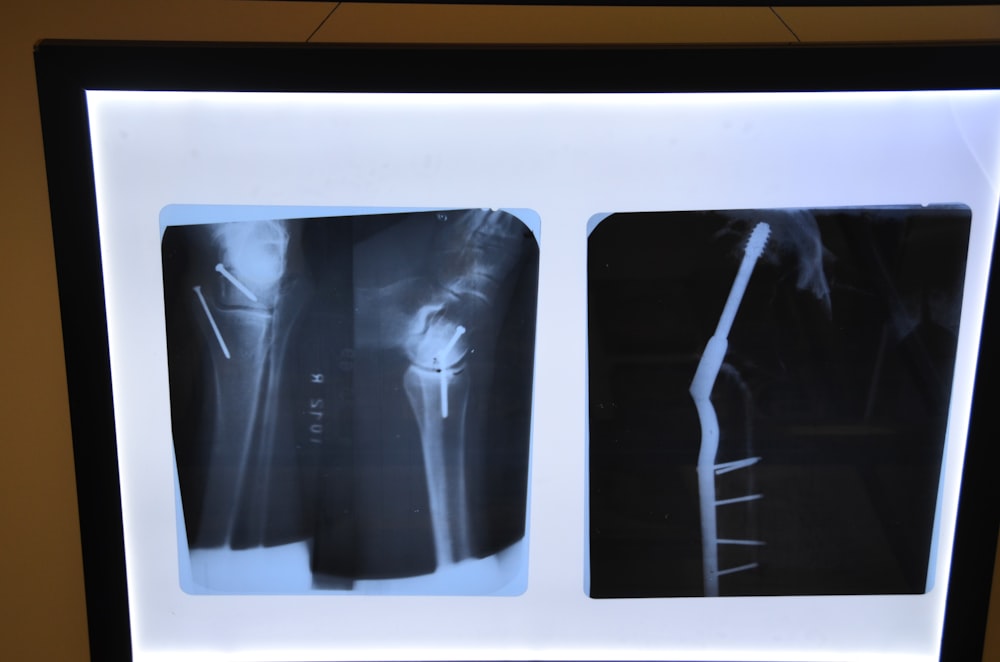
A surgeon confirms the need for surgery using a clinical examination and imaging such as X-rays. The decision is always individual.
Recovery Timeline
Recovery varies by patient, but a typical pathway looks like this:
First Days
Most patients stand and take a few steps with assistance within a day of surgery. Early mobilization reduces complications and speeds recovery. Pain is managed with a structured plan.
Weeks 1 to 6
Patients progress from a walker to a cane as strength returns. Physiotherapy focuses on safe movement, hip strengthening and gait. Many people resume light daily activities during this period.
Months 3 to 12
By three months most patients walk comfortably and return to low-impact activity. Full recovery and maximal strength can continue to improve up to a year. Following the surgeon and physiotherapist's guidance is the most important factor in a good outcome.
Cost Considerations in Jamaica
The cost of a hip replacement in Jamaica depends on the hospital, the surgical team, the type of implant and bearing surface, length of hospital stay, and rehabilitation needs. Private and public pathways differ, and some patients use health insurance. When comparing options it is important to consider the total cost of care — surgery, implant, hospital stay and rehabilitation — rather than the implant alone. Choosing a well-documented, internationally certified implant protects the long-term value of the procedure.
Choosing the Right Implant
The right implant balances the patient's age, activity level, bone quality and the surgeon's preference. Key questions worth discussing with the surgical team include whether cemented or cementless fixation is best, which bearing surface suits the patient's activity, and whether the implant carries recognised certifications such as ISO 13485, FDA and CE. Certified implants come with full traceability and consistent quality control.
Our Hip Replacement Products
Krishna Orthopedic Equipments supplies the Modular Hip Prosthesis System to hospitals and surgeons across Jamaica and the Caribbean. It combines a cementless titanium stem with a hydroxyapatite coating, modular neck and head options, and a choice of ceramic or cobalt-chrome heads — all manufactured under an ISO 13485 quality system and carrying FDA, CE and CDSCO certification. For rehabilitation, our adjustable ROM braces support a safe, staged recovery.
Talk to Us
If you are a hospital, clinic or surgeon in Jamaica seeking certified hip implants with reliable Caribbean supply, our team can help with product selection, instrumentation and documentation. Contact us to request a quote or to discuss your requirements.
About the Author
Krishna Orthopedic Clinical Team
The Krishna Orthopedic Equipments clinical and regulatory team writes about orthopedic implants, surgical standards and patient recovery to support hospitals, surgeons and patients across Jamaica and the Caribbean. Content is for general education and is not a substitute for professional medical advice.